
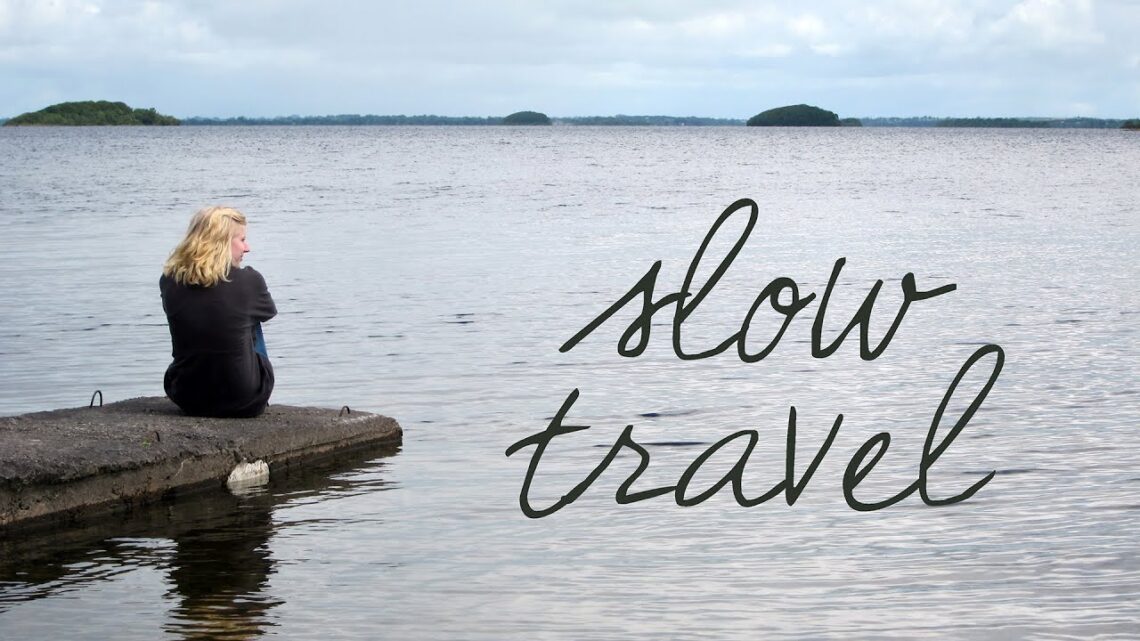
Slow travel is becoming one of the most influential movements in global tourism. Unlike traditional travel—where tourists rush to see as many landmarks as possible—slow travel encourages travelers to immerse themselves in culture, local life, and meaningful experiences.
The trend emerged as a reaction to the stress of fast-paced tourism. Many travelers now prefer extended stays in one destination instead of rapid multi-city itineraries. By spending more time in fewer places, people can explore neighborhoods, meet locals, and understand the traditions that shape a region.
One of the biggest benefits of slow travel is sustainability. Staying longer reduces transportation-related emissions, a significant contributor to environmental harm. Travelers also tend to support small businesses—local cafés, artisan shops, and family-owned accommodations.
Cultural immersion is another major appeal. Slow travelers often attend workshops, join community events, or learn local crafts and languages. These experiences create deeper emotional connections and more memorable journeys.
As global tourism evolves, slow travel is expected to grow. It aligns with the desire for meaningful, responsible experiences and provides an antidote to the fast-paced lifestyle of modern society.

